Phone numbers only help when you know which one to dial. A solid kenya safari emergency contacts list starts with Kenya’s national emergency numbers, then adds the people closest to you in the bush. Your camp manager, guide, and operator often respond faster than a distant call center. Keep this list on paper as well as in your phone.
Kenya Safari Emergency Contacts: What to Save First
Before you need help, organize the contacts below in this order. If you are in Nairobi, the national number may be enough. If you are deep in a park, you will almost always be served better by the people at your camp.
- 999: This is Kenya’s main number for police, fire, and ambulance services.
- 112: This alternate number works from mobile phones and can reach the same emergency services. Store both.
- Your travel insurer’s emergency assistance line: This is the number that approves treatment and helps arrange evacuation. Keep your policy number next to it.
- Your safari operator’s 24-hour line: Ask for it when you book and again when you land in Kenya.
- Your camp’s main line: Most camps use satellite connections or radio systems. Ask how they reach a doctor at night.
- Your embassy’s duty number: Your embassy can help with lost passports, serious crime, and other consular needs.
What Is the Emergency Number in Kenya?
Kenya’s national emergency number is 999. From a mobile phone, 112 also reaches police, fire, and ambulance services. Save both. In Nairobi, responders may arrive quickly. In a park, help can take longer, so your camp and guide matter just as much as the number you dial.
Some travel directories list 911 as an alternative, but treat 999 and 112 as the primary numbers. Do not waste time testing 911 in a crisis.
How Do You Call an Ambulance in Kenya?
To call an ambulance in Kenya, dial 999 or 112, say “medical emergency,” and give the exact place. In a city, that should start the response. In a safari area, ask the camp manager to make the call, because local responders know the access roads and the camp’s emergency plan.
St John Ambulance also operates in many parts of Kenya, though listed numbers vary by source, so confirm the current one with your operator before you travel. Ask your operator whether its coverage reaches the region you are visiting. A camp radio call or a ranger post can often get help moving faster than a phone call alone.
How Does Medical Evacuation Work on a Kenya Safari?
Medical evacuation starts with the camp’s first-aid assessment. The manager contacts the operator and your insurance company, who coordinate and pay for the response. Providers such as AMREF Flying Doctors may send a plane when weather, airstrip conditions, and the patient’s condition allow it. Insurance approval affects timing, not just distance.
Before you travel, ask your insurer whether air evacuation is included in your policy. If it is not, consider buying a policy that covers it. Remote camps can often arrange help, but they expect the cost to be approved by someone before an evacuation begins.
What Should You Do in a Wildlife Encounter or Park Incident?
Stay inside the vehicle unless your guide gives a direct instruction. Keep your voice low, avoid sudden movement, and never approach, feed, or chase wildlife. Tell your guide or camp as soon as the danger passes. The guide can report the location on the radio and warn rangers and other visitors.
If someone is injured, apply first aid if you are trained, then call 999 or 112 and follow the evacuation steps above. Do not get out of the vehicle to take a photo or to help an animal. The guide decides when it is safe to move.
Who Do You Call for Tourist Police or Theft?
For theft, harassment, or a security issue, call 999 or 112 and report the incident to the nearest police station. Ask the camp, hotel, or operator to help you find the correct station. Kenya Tourist Board assistance numbers vary across travel directories, so verify the current contact with your embassy, your insurer, or your operator before you travel.
Save the nearest police station name and the report number after you file a complaint. Your insurer and embassy will need both to process a claim or replace documents.
Which Safari Regions Need a Different Emergency Plan?
Each Kenya safari region needs its own emergency plan, since geography and phone coverage vary widely. The Mara relies on airstrips and radios, Tsavo’s size limits phone signal, Amboseli’s open plains help visibility, Lake Nakuru is compact and gated, and Laikipia depends on private conservancy networks. Here is how emergency help tends to work in the parks most visitors choose.
1. Masai Mara
The Mara has many private airstrips and camps with radios and satellite phones. Serious cases often fly to Nairobi for hospital care. A good driver-guide can reach the camp or operator quickly. Before you travel, learn how to check your Masai Mara guide’s certification, because a certified guide should know the radio chain and emergency protocols. During heavy rain, some roads and airstrips close, so leave a full day of slack in your schedule.
2. Tsavo
Tsavo West and Tsavo East are enormous, and parts have no phone signal. If the vehicle breaks down, you depend on the guide’s radio and another vehicle passing. That is one reason travelers consider the benefits of having a private Tsavo safari guide. A private guide can stay with you and coordinate help when a shared group may need to move on. Tsavo’s dry heat also raises the risk of dehydration, so carry extra water in the vehicle.
3. Amboseli
Amboseli’s open landscape means help can be easier to see. Ranger posts and other vehicles are often nearby. Dust can slow driving, and the nearest clinic may be a long drive from where you are staying. Ask your camp which medical facility it uses in an emergency and whether staff can reach one by road or by air.
4. Lake Nakuru
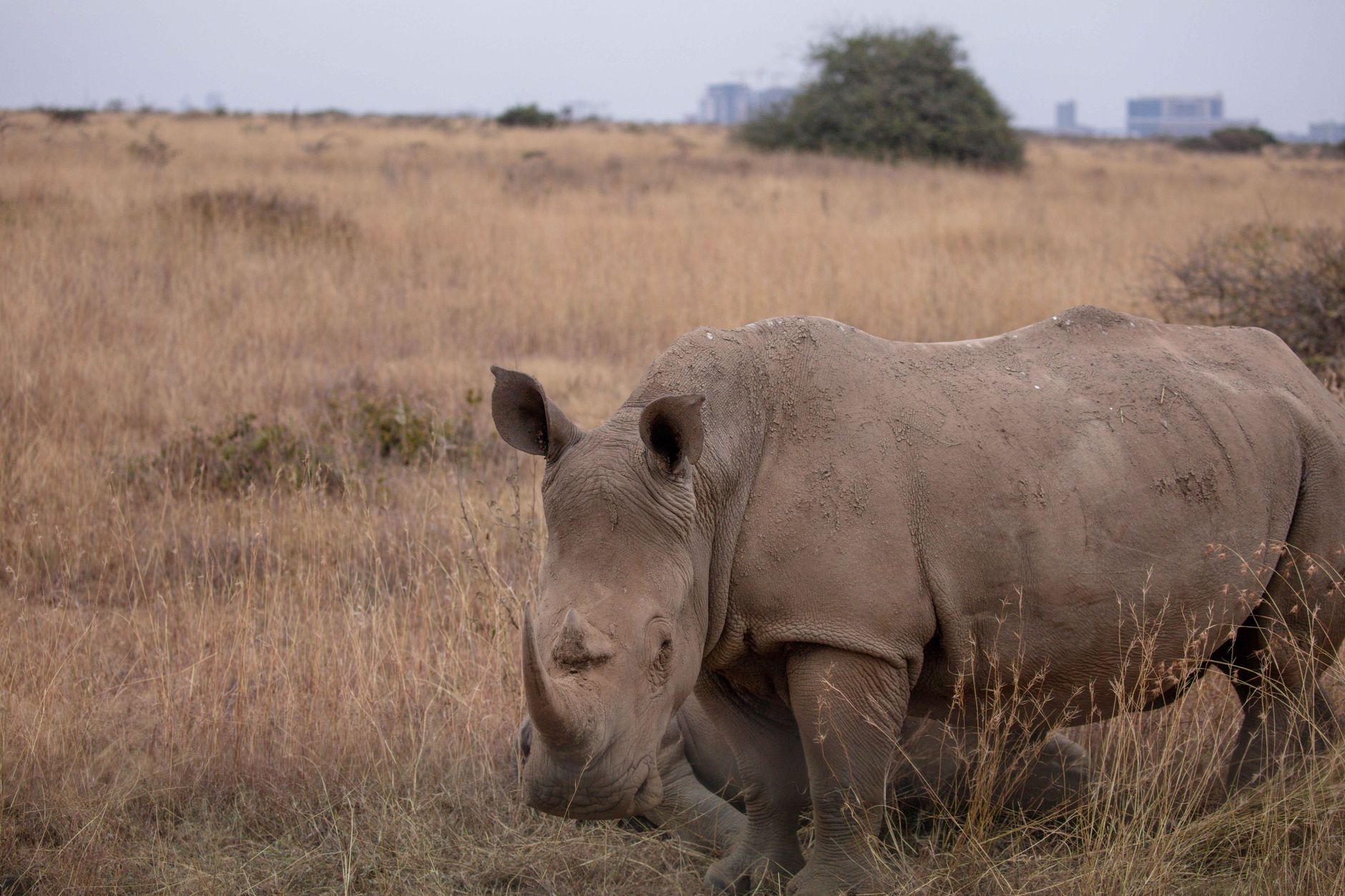
Lake Nakuru is fenced and smaller than many safari parks. You are often close to a gate, but park rules exist for a reason. Review the Lake Nakuru safari park rules before you arrive. Staying in the vehicle is the most important emergency prevention step here, because lions and rhinos can be close to the road.
5. Laikipia
Laikipia is not one national park. It is a patchwork of private conservancies and ranches, each with its own security and radio network. Ask your camp who answers the phone at night and which gate the camp uses for emergencies. Camp staff often coordinate access to help better than national emergency services can.
Compare Safari Operators Before You Need Help
Your emergency plan begins at booking. An operator with 24-hour support, a clear evacuation policy, and direct camp contacts makes a real difference. Compare operators and browse packages through FindMySafari, Valley Safaris, or Trunktrails Safaris. Ask each one exactly how it handles medical emergencies in the parks you plan to visit.
More safari planning resources
- Tsavo East and West map from SafariPure
- Kenya wildlife tours from Trunktrails Safaris
- Map of Tsavo from Valley Safaris
- Tsavo destination guide on FindMySafari